
Welcome to the UW Occupational Diseases Online Course Series (ODOC)
ODOC Series Description
This mixed-media online series serves as an introduction to a variety of important occupational diseases. Each 80-100 minute course is designed to give clinical practitioners and public health professionals a comprehensive understanding of the epidemiology, pathophysiology, diagnosis, and treatment of a common occupational disease.
In each self-paced course, practitioners work through clinical cases and public health scenarios, describing both patient and workplace management for the disease at hand.
To promote integration of concepts, video and other interactive multimedia content are offered, along with periodic knowledge checks, to self-assess your learning. This series is designed to ensure that, upon completion of the individual units, students can effectively apply evidence-based principles to their practice.
Additionally, each unit will offer a UW certificate of completion and the ability to qualify for accredited Continuing Education hours.
Occupational Diseases Topics Offered in the ODOC Series:
Introductory Video from the Washington State Department of Labor and Industries
Registration
To register for a course, click on the thumbnail below:
|
Noise-Induced Hearing Loss
|
Compressive Neuropathy: Carpal Tunnel Syndrome
|
|
Now Available!
|
|


Series Learning Objectives
The overall objectives of our Occupational Disease Online Series are for students to be able to:
- Recognize and describe at least three aspects of the epidemiology and pathophysiology of each occupational and environmental disease topic.
- Identify at least four potential relationships between various exposures and symptoms in workers, working populations, and communities.
- Select appropriate initial diagnostic tests to evaluate symptoms in potentially exposed individuals.
- Describe two ways that multi-disciplinary teams can manage and prevent occupational diseases at the population level using such approaches as hazard evaluation, disease surveillance.
- For each occupational disease topic, discuss the differential diagnoses for patients with symptoms potentially related to occupational and environmental exposures.
- List three ways to manage workers with each particular occupational or environmental disease, including the selection of appropriate treatments and referrals, incorporating best practices from medical guidelines.
Instructors & Content Experts
 June Spector, MD, MPH, Chair and Professor
Department of Environmental & Occupational Health Sciences, University of Washington
206-894-1979
spectj@uw.edu
Dr. Spector received her MD from Yale University School of Medicine in 2005 and completed her Internal Medicine residency training at Hospital of the University of Pennsylvania in 2008. Following an MPH in biostatistics and epidemiology at Johns Hopkins and occupational & environmental medicine fellowship training and postdoctoral research training at the University of Washington, Dr. Spector joined the faculty in the Departments of Environmental & Occupational Health Sciences and Medicine in 2012. She is the current Director of Occupational & Environmental Medicine at the University of Washington.
 Esi W. Nkyekyer, MD, MPH, Acting Assistant Professor
Medical Director of OEM Clinical Programs
Departments of Environmental & Occupational Health Sciences,
and Medicine
University of Washington | Harborview Medical Center
206-744-9377
esink@uw.edu
Dr. Nkyekyer received her MD from Yale University School of Medicine in 2010 and completed residency training in Internal Medicine at the University of Washington in 2013. She practiced Primary Care for 2 years before completing fellowship training in Occupational and Environmental Medicine, and an MPH in the Department of Environmental and Occupational health Sciences and at the University of Washington. Dr. Nkyekyer joined the faculty in the Departments of Medicine, and Environmental & Occupational Health Sciences and Medicine in 2017. She is the current Medical Director of the UW Occupational and Environmental Medicine Clinical Service Program.
 Nancy Simcox, MS (Industrial Hygiene), Director
Continuing Education Programs
Department of Environmental & Occupational Health Sciences (DEOHS)
and the Northwest Center for Occupational Health & Safety
University of Washington
206-221-7107
nsimcox@uw.edu
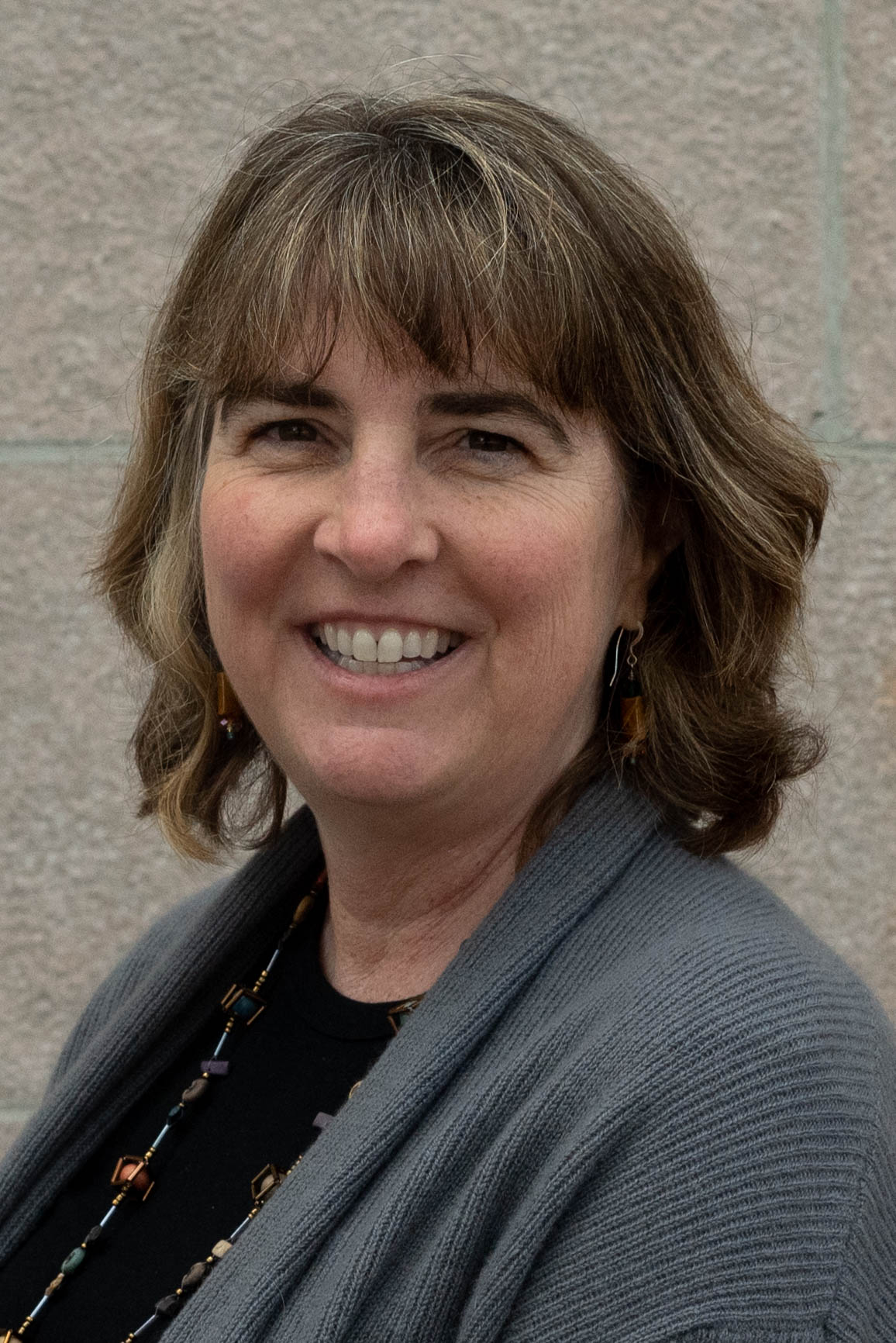
Nancy Simcox, MS, is a Lecturer and the Director of the Continuing Education Programs for the UW Department of Environmental & Occupational Health Sciences. She develops and delivers research-based education programs for practicing professionals, including industrial hygienists, physicians, nurses, safety engineers and others in the environmental, health and safety field. Ms. Simcox has over 25 years of experience as a research industrial hygienist at both the UW Field Research and Consultation Group and the Center for Occupational and Environmental Medicine at the University of Connecticut Health, where she conducted workplace site visits; designed exposure assessment protocols for evaluation, intervention and research; and performed data reduction and statistical analysis for health-based research projects.
Course Planning and Development
Rick Morgan, MS, Instructional Design Consultant
University of Washington
Senior Product Development Scientist
Modumetal, LLC
Julie Nanavati, MLS, MS, Instructional Designer
University of Washington
Jenny Tsai, PhD, ARNP, Associate Professor
School of Nursing
Department of Child, Family and Population Health Nursing
University of Washington
Sarah Wolz, MS (Industrial Hygiene)
Continuing Education Programs, DEOHS
University of Washington
Rebecca Yost, Marketing Manager
Continuing Education Programs, DEOHS
University of Washington
Course Format
For each course, diseases will be introduced using public health scenarios and clinical cases. Guest experts supplement each unit with additional video-recorded lecture materials.
The general format of each 80-100 min unit consists of:
1. Introduction to the case study
2. Background & Epidemiology mini-lecture (7-10 min)
a. Knowledge check
3. Pathophysiology mini-lecture (7-10 min)
a. Knowledge check
4. Diagnosis & Management mini-lecture (7-10 min)
a. Knowledge check
5. Guest Lecture (~20 min)
a. Knowledge check
6. Case Review
a. Patient Management
b. Workplace Management
c. Knowledge check
7. Summary
8. Final graded quiz
9. Evaluation
10. Links to print certificate of completion.